SRI AVIATION UNIT CONDUCTS HIGH-RISK HOSTAGE RESCUE OPERATION IN CENTRAL AFRICAN REPUBLIC, DEMONSTRATING OPERATIONAL EXCELLENCE
The Sri Lanka Air Force Aviation Unit deployed in the Central African Republic has demonstrated outstanding professionalism and operational excellence by undertaking a highly confidential and high-risk hostage rescue operation on 19 October 2026 to rescue three civilians who had been abducted and detained as hostages for more than 8 months.
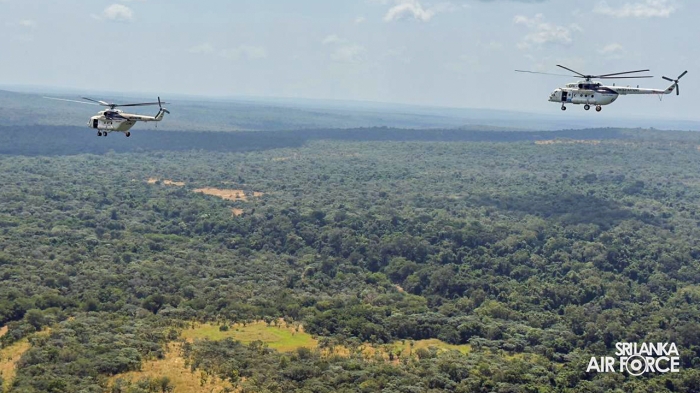
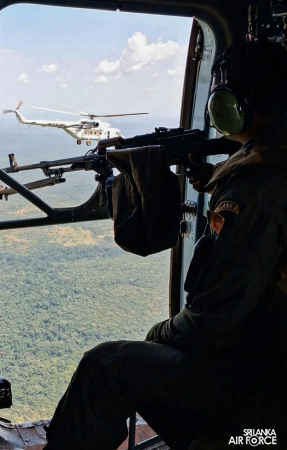
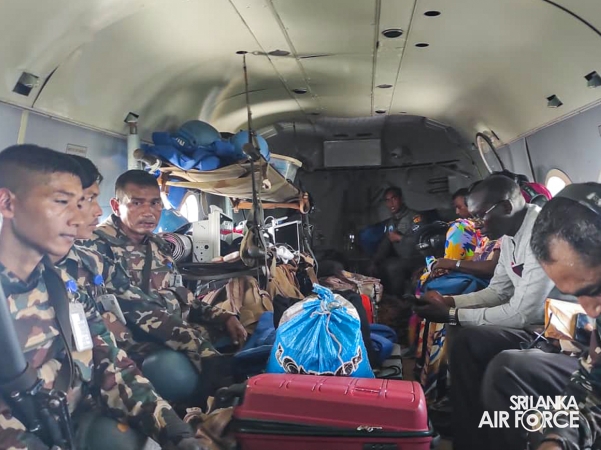
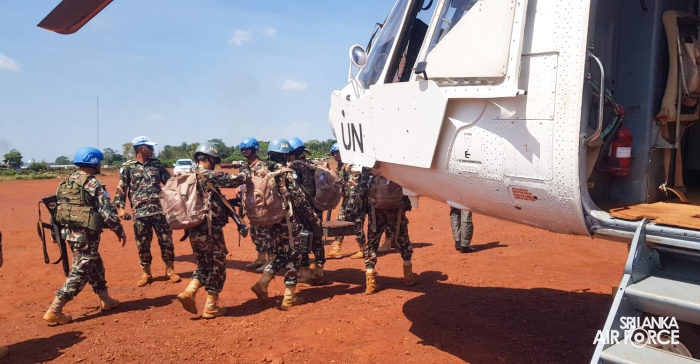
The rescue location was situated approximately 210 Nm away from the Sri Lanka Aviation Unit, Bria and more than 60 Nm away from the nearest United Nations base in an unsecured area dominated by multiple Armed Groups. The rescue package included three Mi-17 helicopters, an Aero medical Evacuation Teams (AMET) belonging to Sri Lanaka Aviation Unit, high level negotiation team and approximately 45 fully equipped combat ready armed troops. In par with that, one Mi-8 and one UH-60 helicopters were Casualty Evacuation (CASEVAC) standby on ground in two separate locations which are away from the operation area. Considering the operational complexity and confidentiality, the rescue operation was exclusively steered under the direct supervision of higher authorities at the Force Head Quarters.
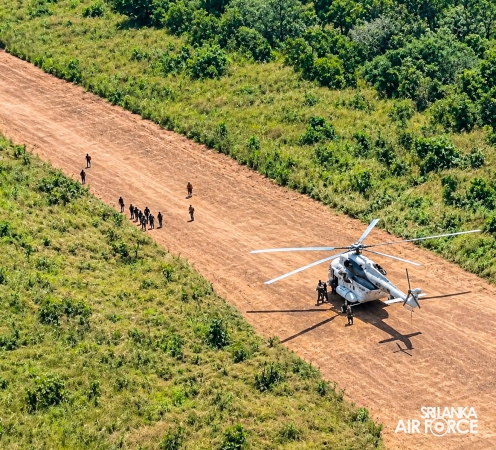
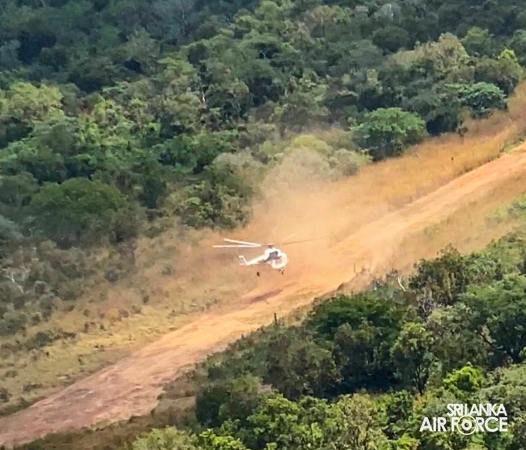
According to the mission threat analysis, the operation classified as an extremely time sensitive and high-risk operation. A surprise attack by armed groups or hostile local elements posed a serious threat to personnel at the negotiation site. As such, the negotiation interaction and the rescue operation had been strictly restricted to a maximum of 5 minutes. Other challenge was the restricted landing zone at the negotiation site, which was suitable only to accommodate one helicopter at a time and the prevailed severe dust-induced brownout conditions and radio blind area due to geography and limited communication facilities had amplified the operational complexity.
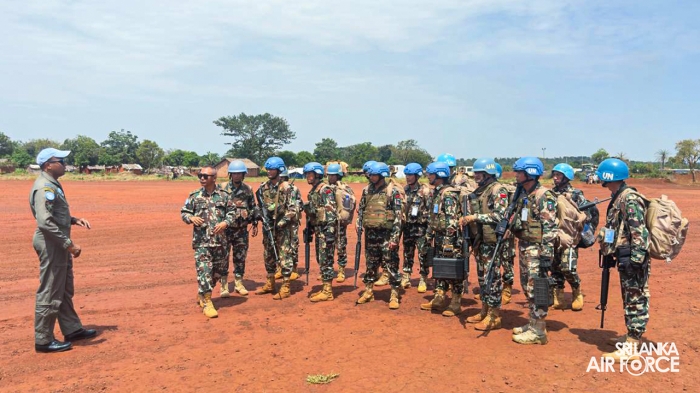
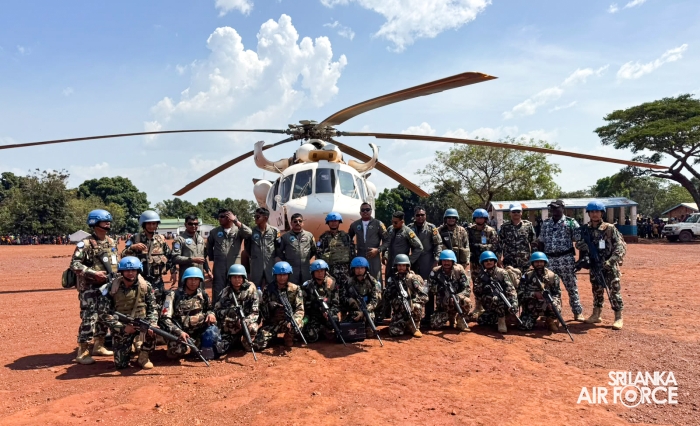
The operational plan sought to preserve the element of surprise while ensuring the safe insertion and extraction of the negotiation team, security personnel and hostages. In view of the operation’s sensitivity and importance, Contingent Commander Group Captain Asiri Pathirage directly by himself supervised and coordinated the mission as the ground commander.
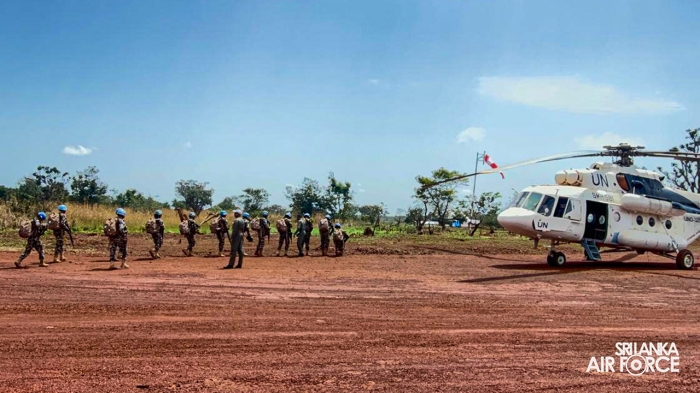
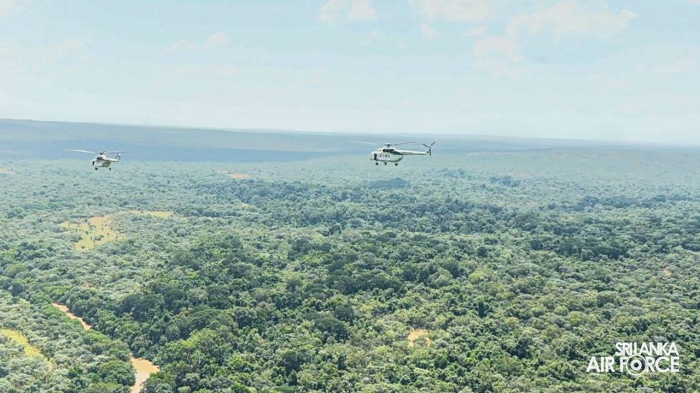
The mission began early in the morning from two separate locations, with the aircraft following three different routes to reach the tactical base maintaining the operational secrecy. As per the Operation plan, the team carried out a controlled landing sequence and established a secure perimeter before the negotiation team arrived.
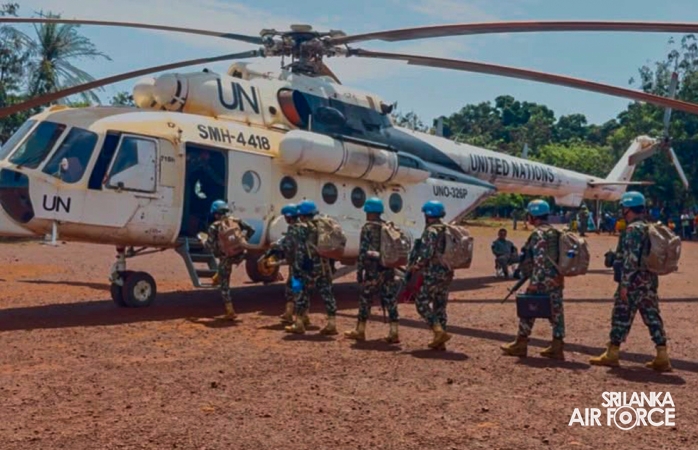
The first helicopter, call sign “Rawana 1,” inserted combat-ready troops to secure the landing zone and negotiation site and airborne allowing second helicopter to land while orbiting the area providing close air support. “Rawana 3” remained airborne at a pre-determined rendezvous point 10 nautical miles away from the site with 20 combat ready troops to provide reinforcement to neutralize any unforeseen threat. Operating within a designated altitude band, it served as an airborne quick-reaction force, ready to respond to any hostile escalation, while also relaying communications between the Sri Lanka Aviation Unit and the rescue site.
Once the landing zone was secured, the third helicopter, “Rawana 2,” landed with the high level negotiation team and AMET. Its rotors remained running to enable an immediate emergency departure if required, while the ‘Rawana 1’ provided aerial cover for the negotiation team and the helicopter on the ground.
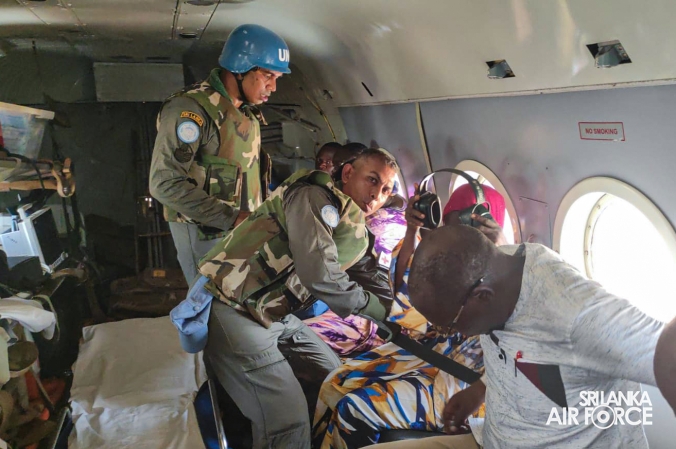
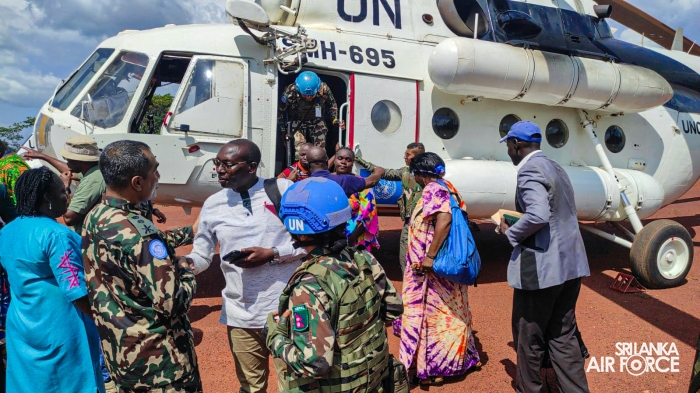
After an intense negotiation, the team secured the release of all three hostages. Negotiation team and hostages were evacuated immediately by the on-ground helicopter followed by ‘Rawana 1’ extracted the troops provide the ground security at the landing zone under the areal protection of ‘Rawana 2’. All three helicopters reached predetermined secured locations without incident. The negotiation team spent approximately 50 minutes at the landing zone—substantially longer than the five-minute window initially envisaged—while the operation remained supported by the security and aviation plan.
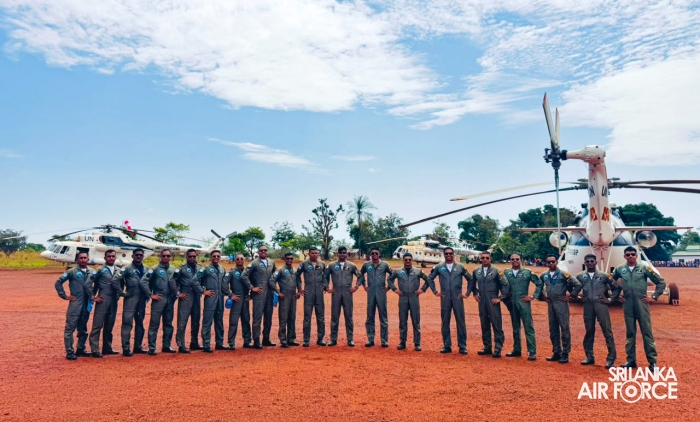
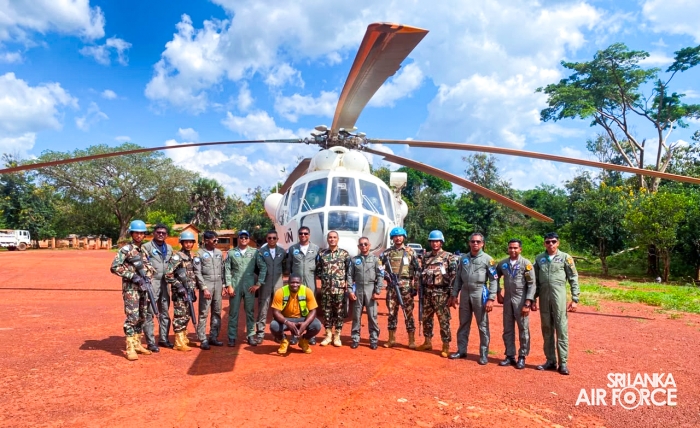
The three Mi-17 helicopters were commanded by Wing Commander Wikum Mapatuna, Wing Commander Nimendra Gunawardane and Squadron Leader Akila Warunage as Pilots in Command. Flight Lieutenant Lahiru Chandrasekara, Flight Lieutenant Lahiru Sakalasooriya and Squadron Leader Ranuka Premathilaka, served as Co-Pilots, respectively.
The flight-engineering team comprised Squadron Leader Lahiru Wijethunga, Warrant Officer TS Hettiarachchi and Flight Sergeant Aththanayake KGSS. The Load Masters were Squadron Leader Hishan Prasad, Squadron Leader Duminda Hewage and Flight Sergeant Manoj AGG. The Air Gunners were Corporal Wijethunga WMPK, Corporal Kumara WVHCL, Corporal Abeysinghe GD and Leading Aircraftman Semage BMUC.
The onboard Air Medical Evacuation Team (AMET) consisted of Wing Commander Buddhika Wanasinghe, Warrant Officer DM Sumathipala and Flight Sergeant Ruwan Kumara KPD. Their presence provided an additional medical response capability in support of the operation.
The mission demonstrated the demanding nature of aviation support in a remote and high-risk environment, where ground threats, a restricted landing zone, severe dust and communications constraints can converge. The coordinated employment of the Mi-17 helicopters, security personnel, negotiation team and medical specialists reflected the Sri Lanka Aviation Unit’s operational preparedness and its commitment to carrying out its responsibilities under the MINUSCA mandate.
On 19 October 2026, the Sri Lankan Aviation Unit flew over 18 hours of high risk rescue mission in support of protection of civilians under the MINUSCA mandate. The operation stands as an example of the professionalism, discipline and teamwork of Sri Lanka Air Force personnel serving under the United Nations flag in the Central African Republic. It also highlights the importance of thorough risk assessment, clear command and control, effective air-ground coordination and adherence to established aviation safety procedures during high-risk operations.